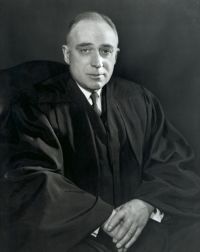
 John Marshall Harlan II,
United States v. Guest — Concurrence
John Marshall Harlan II,
United States v. Guest — Concurrence
“ It is accordingly apparent that the right to unimpeded interstate travel, regarded as a privilege and immunity of national citizenship, was historically seen as a method of breaking down state provincialism, and facilitating the creation of a true federal union. In the one case in which a private conspiracy to obstruct such movement was heretofore presented to this Court, the predecessor of the very statute we apply today was held not to encompass such a right.A second possible constitutional basis for the right to move among the States without interference is the Commerce Clause. ”
