Summary

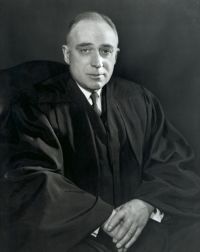
Portrait of John Marshall Harlan II John Marshall Harlan II United States v. Zacks — Opinion of the Court

In any event, this problem always attends retroactive legislation of this sort, and acceptance of the taxpayers' argument would lead to the automatic waiver of the statute of limitations in every case. Whether or not this should be done is a matter for Congress to decide. Where Congress has decided otherwise, this Court has but one course.
Source: Wikisource

Portrait of John Marshall Harlan II John Marshall Harlan II United States v. Zacks — Opinion of the Court

The question in this case is whether § 117 (q) of the Internal Revenue Code of 1939, a 1956 amendment to the Code which effected retroactive changes in the tax treatment of transfers of patent rights, gives rise to a claim for refund barred by the statute of limitations generally applicable to tax refund claims.
In 1952, Mrs. Zacks received royalties of about $37,000 on patents all substantial rights under which she had transferred by way of an exclusive license to a manufacturing corporation.
Source: Wikisource

Portrait of John Marshall Harlan II John Marshall Harlan II United States v. Zacks — Opinion of the Court

Of course, all of the amendatory provisions of § 117 (q) are fully effective with respect to years and claims not barred.
Finally, the taxpayers suggest that unless the statute of limitations is deemed waived, a premium is placed on taxpayer opposition to administrative rulings, since only those taxpayers who contested the Commissioner's position will now be able to claim a refund. But in view of the doubt surrounding the rulings involved in this case, emphasized by the cases overruling the Commissioner, this argument has less force than it might in another context.
Source: Wikisource

Get perspective with Kwize: daily news enlightened by great literature