Summary

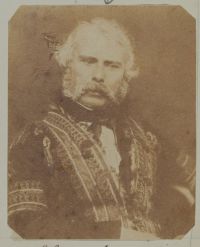
Portrait of John McCosh John McCosh Advice to Officers in India — Chapter 5 (1856)

Nothing can exceed the sterile, burnt-up appearance of the country; during the prevalence of the hot winds the trees keep their foliage, but the earth is stripped of all herbage as if a flood of lava had flowed over it, drinking its rivers dry and leaving it calcined and strewed with ashes. As the wind generally lulls at night, the house is heated to a degree not to be endured, and many have their beds carried out of doors under the open sky with no other covering but the starry firmament.
Source: Wikisource

Portrait of John McCosh John McCosh Advice to Officers in India — Chapter 5 (1856)

A change is now come o'er the spirit of the dream; the rebellious dust that wont to fly into every body's face is now become a kneaded clod, a plastic mass of clay, fit for the mould of the brick-maker, or the trowel of the sculptor; the windows of heaven have been opened wide, and copious showers of welcome rain have fallen upon the fevered earth and the no less fevered inhabitants.
Source: Wikisource

Portrait of John McCosh John McCosh Advice to Officers in India — Chapter 5 (1856)

But the sun of the Punjaub, and the sons and daughters of Lahore produce dust enough for such a storm once or twice a week. The roads of the old regime are ankle deep in dust, it plunges under the horses' feet like so much water, a carriage moving along at an easy pace reminds one of the old paintings of Aurora, the wheels enveloped in clouds and the rider only free.
Source: Wikisource

Get perspective with Kwize: daily news enlightened by great literature