Summary

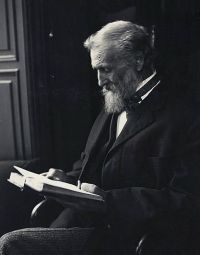
Portrait of John Muir John Muir The Yosemite — The Forest Trees in General (1912)

The sugar pine is as free from conventionalities as the most picturesque oaks. No two are alike, and though they toss out their immense arms in what might seem extravagant gestures they never lose their expression of serene majesty. They are the priests of pines and seem ever to be addressing the surrounding forest. The yellow pine is found growing with them on warm hillsides, and the silver fir on cool northern slopes but, noble as these are, the sugar pine is easily king, and spreads his arms above them in blessing while they rock and wave in sign of recognition.
Source: Wikisource

Portrait of John Muir John Muir The Yosemite — The Forest Trees in General (1912)

The flat fragrant plumes are exceedingly beautiful: no waving fern-frond is finer in form and texture. In its prime the whole tree is thatched with them, but if you would see the libocedrus in all its glory you must go to the woods in midwinter when it is laden with myriads of yellow flowers about the size of wheat grains, forming a noble illustration of Nature’s immortal virility and vigor. The mature cones, about three-fourths of an inch long, born on the ends of the plumy branchlets, serve to enrich still more the surpassing beauty of this winter-blooming tree-goldenrod.
Source: Wikisource

Get perspective with Kwize: daily news enlightened by great literature