Summary

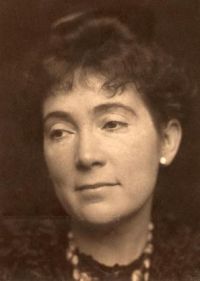
Portrait of John Oliver Hobbes John Oliver Hobbes The Annotated The Tales of John Oliver Hobbes… (1894)

At first she saw a substitute for De Boys in a tow-headed youth who sang in the chapel choir, and she talked to him of the books she read, as she would to her lover, only to grow absent-minded, however, and wake to catch an unsympathetic and wondering eye: phrases, jokes, and little words full of meaning to herself and De Boys lost all their point when exchanged with her few friends in the village, and very soon she learnt the absolute dissimilarity in minds, and how very little except weakness one human being has in common with another.
Source: Wikisource

Portrait of John Oliver Hobbes John Oliver Hobbes The Annotated The Tales of John Oliver Hobbes… (1894)

Jane had always found such balm for all her small troubles in being understood by De Boys, which meant, no doubt, that he saw no fault in her, and made a grace out of every shortcoming—that is to say, where her shortcomings affected others. He made nicer distinctions in her offences against himself. But in her dealings with the world at large he always proved her in the right, even when she knew herself in the wrong, and thus when she least agreed with him, he was most consoling.
Source: Wikisource

Portrait of John Oliver Hobbes John Oliver Hobbes The Annotated The Tales of John Oliver Hobbes… (1894)

Healthy-minded lads do not sit brooding over their instincts till they are hatched into Christian virtues and deadly sins: their conscience warns them which to follow and which to shun, but the why, the wherefore, and the psychological meaning of it all does not trouble them in the least. Thus, while De Boys would have defended his uncle with the last drop of blood in his body, he would not have been able to say just why. From this it will be seen, how far the farmer and the aspiring scholar were from a mutual understanding.
Source: Wikisource

Get perspective with Kwize: daily news enlightened by great literature