Summary

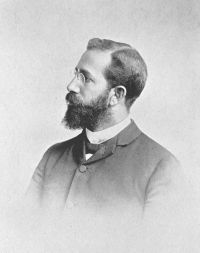
Portrait of Joseph Krauskopf Joseph Krauskopf "My Visit to Tolstoy": Five Discourses

Like a surgeon, who cuts into the sore for the purpose of letting out the poison, he lays bare the wrongs and rottenness of church and government for the purpose of affecting the needed cure. As a prophet he speaks the language of prophets. As a reformer he tells the truth as reformers tell it, unvarnished and ungarnished. He spares others as little as he spared himself in his book "My Confession." He wants others to do as he has done, to subject the lusts and appetites and greeds to the rule of conscience, if the kingdom of God is ever to be established on earth.
Source: Gutenberg

Portrait of Joseph Krauskopf Joseph Krauskopf "My Visit to Tolstoy": Five Discourses

His was the brightest mind in darkest Russia, the most democratic spirit in the most autocratic of realms. His peasant garb could not hide the noble man, ennobled by exalted thought and achievement and not by the will of potentate. His peasant labor could not hide the man born to command, not by means of knout or sword or prison but by the law of love and right and truth.
Source: Gutenberg

Portrait of Joseph Krauskopf Joseph Krauskopf "My Visit to Tolstoy": Five Discourses

Little wonder, that the government suppressed the publication of this last of Tolstoy's writings. Little wonder, that the three days spent amid the miseries of the villagers saddened his heart beyond endurance. And still less wonder, that the government's responsibility for it, and the world's indifference to it, even his own family's, drove him to despair, ripened in him the resolve to retire to some wilderness, where the soul would no longer be harrowed by the sight of human outrages and sufferings.
Source: Gutenberg

Get perspective with Kwize: daily news enlightened by great literature