Summary

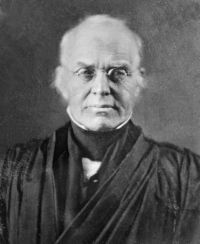
Portrait of Joseph Story Joseph Story Piatt v. Vattier — Opinion of the Court

And we are of opinion that the lapse of time is, upon the principles of a court of equity, a clear bar to the present suit, independently of the statute. There has been a clear adverse possession of thirty years without the acknowledgement of any equity or trust estate in Bartle; and no circumstances are stated in the bill, or shown in the evidence, which overcome the decisive influence of such an adverse possession.
Source: Wikisource

Portrait of Joseph Story Joseph Story Piatt v. Vattier — Opinion of the Court

In their answers, Vattier and the Bank of the United States assert themselves to be bona fide purchasers, for a valuable consideration, of an absolute title to the premises, without notice of Bartle's title, and they rely on the lapse of time also as a defence. The bill, as to the heirs of J. H. Piatt, was taken pro confesso, they not having appeared in the cause.
Source: Wikisource

Portrait of Joseph Story Joseph Story Piatt v. Vattier — Opinion of the Court

The bill then alleges that Bartle afterwards lost the certificate in crossing the Ohio river; that Charles Vattier, one of the defendants, fraudulently purchased the mortgage of Barr, and obtained possession of the lot from the tenants, in the absence of Bartle from the country, and acquired the legal title from John C. Symmes, in whom it was vested. That Vattier afterwards sold the same to one John Smith, who is since deceased; and his heirs, if any are alive, are unknown to the plaintiff; and who had full notice of Bartle's title.
Source: Wikisource

Get perspective with Kwize: daily news enlightened by great literature