Summary

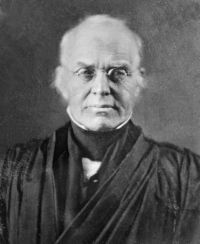
Portrait of Joseph Story Joseph Story Townsley v. Sumrall — Opinion of the Court

It is an original promise to the purchaser, not merely a promise for the debt of another; and having a sufficient consideration to support it, in reason and justice, as well as in law, it ought to bind him. It is of no consequence that the direct consideration moves to a third person, as in this case to the drawer of the bill; for it moves from the purchaser, and is his inducement for taking the bill. He pays his money upon the faith of it, and is entitled to claim a fulfilment of it.
Source: Wikisource

Portrait of Joseph Story Joseph Story Townsley v. Sumrall — Opinion of the Court

The objection now made does not turn upon this point, but upon the point, that the present is not a foreign, but an inland bill of exchange; being drawn in Kentucky, and payable at New Orleans in Louisiana; and that a notarial protest is not in such cases evidence of a demand and refusal of payment. We do not think it necessary in this case to decide, whether a bill drawn in one state upon persons resident in another state, within the union, is to be deemed a foreign, or an inland bill of exchange.
Source: Wikisource

Portrait of Joseph Story Joseph Story Townsley v. Sumrall — Opinion of the Court

The acceptance of the drawee of a bill binds him, although it is known to the holder that he has no funds in his hands. It is sufficient that the holder trusts to such acceptance.
Another objection is, that the object of taking the bill was to pay the partnership debt of the plaintiff and the drawer (who had been partners in trade) ; and it was passed in pursuance of an agreement between them, to a creditor of the firm, who subsequently returned it for the dishonour. In what respect this changes the rights of the plaintiff as to the defendant, it is somewhat difficult to perceive.
Source: Wikisource

Get perspective with Kwize: daily news enlightened by great literature