Summary

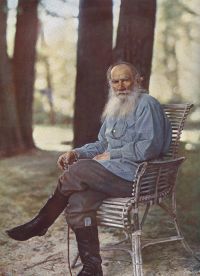
Portrait of Leo Tolstoy Leo Tolstoy Persecution of Christians in Russia (1895)

Never was a persecution of innocent people which has not ended in the persecutors receiving the principles of the persecuted ; as it was with the warrior Simeon, who exterminated the Paulicians and then adopted their creed. The more indulgent the government, the quicker the numbers of true Christians will grow. The more cruel the government, the quicker the numbers of those that yield to the requirements of government diminishes. Thus, whether indulgent or cruel toward men who by their lives proclaim Christianity, government is forwarding its own destruction.
Source: Wikisource

Portrait of Leo Tolstoy Leo Tolstoy Persecution of Christians in Russia (1895)

Even without any such selfish consideration as that these desertions might deprive him of his means of subsistence, now collected from the people by means of compulsion, every official, from the Tsar down to the uryadnik or village police-commissioner, must be deeply indignant with the refusal of some uncivilized, unlettered people to comply with the demands of the government, which are obligatory upon all. "How dare these mere ciphers of people," thinks the official, "deny that which is recognized by every one, that which is consecrated by the law, and is practised everywhere?"
Source: Wikisource

Portrait of Leo Tolstoy Leo Tolstoy Persecution of Christians in Russia (1895)

A man who refuses to kill and imprison his brother man does not purpose to destroy government; he merely wishes not to do that which is contrary to the will of God; he is merely avoiding that which not only he, but every one who is above the brute, undoubtedly considers evil. If through this, government be destroyed, it only shows that the demands of government are contrary to God's will that is, they are evil; and thus government, being in itself an evil, comes to be destroyed.
Source: Wikisource

Get perspective with Kwize: daily news enlightened by great literature