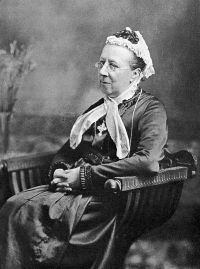
Louisa Twining

Louisa Twining

Summary

Portrait of Louisa Twining Louisa Twining Workhouses and women's work (1858)

It is true they might no doubt have applied to the workhouse; but do we never read also of refusals to relieve, and coarse rejection of the destitute when they do apply for parish relief? And when relief is bestowed, is it not too often with the hard hand of necessity, not of brotherly love and charity? "Relief is flung to the poor by law, not given in love," was the remark once made of our system of public charity. And this seems the more remarkable, when we find no other country so prominent for its endless forms of charity.
Source: Wikisource

Portrait of Louisa Twining Louisa Twining Workhouses and women's work (1858)

It seems to me a great evil, and to imply blame to us in some way that 600,000 persons should be living in a condition which has this sort of feeling attached to it. Is it because it is a crime in itself to be poor, or because the way in which we treat poverty has led persons to think it so? Or is it because we relieve those who do not need or deserve relief, and so have continually the feeling that we are imposed upon?
Source: Wikisource

Portrait of Louisa Twining Louisa Twining Workhouses and women's work (1858)

As to the question of removing workhouses out of London, which has lately been suggested in some quarters, I would only remark that from my experience such a change would tend to make them still more dreaded than they are at present; the main objection being, that the poor would be more out of reach of their friends, whose visits in many cases can be their only consolation. And here I cannot help remarking on the cruelty of refusing admission to visitors on Sundays, a very general practice in London, that being the only day on which working people can visit their friends.
Source: Wikisource

Get perspective with Kwize: daily news enlightened by great literature