“ Easier to build his city on the marshes of the Neva than to frame out of these an army that would defeat Karl of Sweden! He became melancholy and fierce; neither Mentchikoff nor Patkul nor Croy could divert his gloomy musings; the only creature who had any power to soothe him was Marpha, the Livonian peasant, whom he had brought with him and who bloomed like a winter rose amid the rough life of the camp; she enjoyed her surroundings, could give or take a rude jest with the least of the soldiery, wait on the Czar like a foot-boy, yet be a wild Aspasia to this strange Pericles. ”
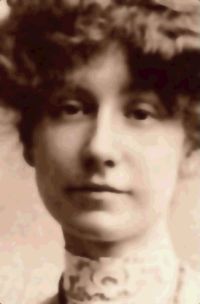
Marjorie Bowen
Summary
Marjorie Bowen’s Kings-at-Arms (1932) is a historical novel centered on the military and political rivalry between Karl XII of Sweden and Peter the Great of Russia, set against the backdrop of 18th-century European conflicts. Focusing on themes of warfare, leadership, and ambition, the narrative follows Karl’s relentless campaigns and Peter’s imperial aspirations, with key figures like Patkul, Mentchikoff, and the enigmatic Marpha embodying the tensions between power and personal struggle.
Through vivid excerpts, Bowen contrasts Karl’s stoic resolve with Peter’s volatile ambition, framing their clash as a duel of ideologies and wills. The work synthesizes historical drama with psychological depth, illustrating how military glory and personal frailty intertwine in the lives of rulers.
Quotes from Kings-at-Arms (Marjorie Bowen)
“ She went from the room as if not too well pleased with Count Piper, and he, left alone in the dreary atmosphere of the narrow apartment, began to slightly doubt the wisdom of the course he had set himself.But he was aroused; he was afraid as only a brave man can be afraid, mistrustful as only a wise man can be mistrustful, roused in his pride as a statesman and as a Swede; he believed the Czar Peter to be terrible—more terrible than anyone yet guessed; ambitious, fierce, one eager to rule who yet did not disdain to learn—a dangerous combination ”
“ Karl remained calm.“Why are these three princes at war with me?” he asked slowly.“Because they think that you are a foolish boy,” replied Count Piper instantly. “Because they believe that in such hands as yours Sweden can do nothing against them. Denmark is your hereditary enemy—Saxony is an adventurer, keeping on foot an army at all costs—and the Czar—is the most ambitious man in Europe.”“What does he want?” asked Karl.“All the land between the Gulf of Finland, the Baltic Sea, Poland, and Muscovy,” replied the councilor laconically. ”
