“ At last, after crossing a long bridge across the river, we came to Yung Ning Chou. The dark grey wall stood out against the blue sky and, unlike most Chinese cities that I have seen, there is no watch-tower over the gate. It has suburbs, suburbs like Fen Chou Fu enclosed in crumbling clay walls that are fast drifting to their inevitable end. They could not keep out a rabbit now, let alone a man, and yet they are entered through great brick gateways with a turn in them, and going under the archways I felt as usual as if I had gone back to Biblical days. ”
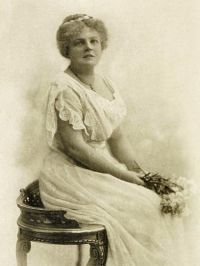
Mary Gaunt
Summary
Mary Gaunt’s A Broken Journey (1904) is a travelogue chronicling her passage through northern China and Siberia, blending vivid observations of landscapes, infrastructure, and cultural contrasts. Focusing on the Yellow River region, Shansi, and Russian-occupied territories, Gaunt documents encounters with decaying walled towns, missionary efforts, and the harsh existence of peasants, juxtaposing natural beauty with socio-economic hardship.
Through steamer rides, railway travel, and mule carts, she captures the solitude of the frontier and the endurance of local communities, while reflecting on colonial aspirations and the vulnerability of traditional ways. The text combines personal narrative with ethnographic detail, portraying China’s rugged terrain as both a barrier and an inviting frontier for settlers.
Quotes from A Broken Journey (Mary Gaunt)
“ There were long streaks of silver on the broad river; slowly the fir-clad hills emerged from the mist and the air was moist and fragrant; the scent of the sea and the fragrance of the pines was in it. A delicious, delicate northern sunrise it was; never before or since have I seen such a sunrise. Never again can I possibly see one more beautiful. And the great river widened. There were little settlements, the five-pointed tents of the Russian soldiers and many places for catching fish. No wonder the fish—fish is always salmon here—like this great -wide river. ”
“ Beautiful, beautiful, with a tender entrancing loveliness, is that view over the country up in the hills that hem in the Yellow River as it passes between Shansi and Shensi. Is it possible there is never anyone to see it but these poor peasants who wring a hard livelihood from the soil, and who for all their toil, which lasts from daylight to dark all the year round, get from this rich soil just enough wheaten flour to keep the life in them, a hovel to dwell in, and a few unspeakable rags to cover their nakedness? ”
