Summary

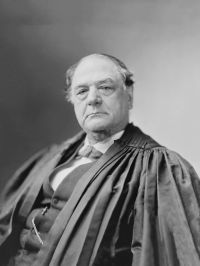
Portrait of Noah Haynes Swayne Noah Haynes Swayne Cropley v. Cooper — Opinion of the Court

After his death, Elizabeth Cropley, the complainant, then fifty-six years of age, claimed to own the house on Pennsylvania Avenue devised to her for life. Her brothers, William, John, and Joseph, set up claims as heirs-at-law of their father, alleging that the bequest to the children of Elizabeth had failed by reason of the death of both of them before the death of their mother, and of the younger one before reaching the age of twenty-one years.
Source: Wikisource

Portrait of Noah Haynes Swayne Noah Haynes Swayne Cropley v. Cooper — Opinion of the Court

Equity regards substance and not form, and considers that as done which is required to be done. The sale being directed absolutely, the time is immaterial. [1]
Where a bequest is given by a direction to pay when the legatee attains to a certain age, and the interest of the fund is given to him in the meantime, this shows that a present gift was intended, and the legacy vests in interest at the death of the testator.
Source: Wikisource

Portrait of Noah Haynes Swayne Noah Haynes Swayne Cropley v. Cooper — Opinion of the Court

William, Joseph, and Elizabeth, and their children were thus placed upon a footing of equality. If John should have lawful issue living at his death, such issue would be in the same category with the children of William, Joseph, and Elizabeth. It seems clear to us that the testator intended that what was given to each of his children should vest interest in them and in their children as early as possible, the period of enjoyment to be deferred in each case as was specially provided, and that the result should be the same in John's case if issue should thereafter be born to him and survive him.
Source: Wikisource

Get perspective with Kwize: daily news enlightened by great literature