Summary

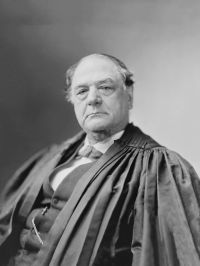
Portrait of Noah Haynes Swayne Noah Haynes Swayne Villa v. Rodriguez — Opinion of the Court

The Villas could not pay the taxes. Rodriguez had redeemed once, and now was paying double taxes. Who better could sell to advantage than he? And could he not better sell with a title in his own name, than agent of a widow and parcel of children; some liable to marry, die and leave minors, or otherwise embarrass the title? Could he have sued any of the Villas after this transfer for the money lent or advanced to them? No one will assert that he could. If he could not, the transaction was not a mortgage, though it may well be a transfer with a power to sell, leaving a trust on surplus proceeds.
Source: Wikisource

Portrait of Noah Haynes Swayne Noah Haynes Swayne Villa v. Rodriguez — Opinion of the Court

It was a family transaction, to be sure; and with needy relatives. But can a man have nothing to do with needy relatives, under penalty of being regarded in everything that he does do, as a robber? If he cannot give them money, is he to let them perish because he cannot lend it to them? because any arrangements, however advantageous then, will not stand, if afterwards-in years, and by accidents which could not have been foreseen-the property rises in value, and others, strangers, not he, grow rich?
Source: Wikisource

Portrait of Noah Haynes Swayne Noah Haynes Swayne Villa v. Rodriguez — Opinion of the Court

We have not appealed. It is the other side who appeals; seeking to reverse the decree below, and to have the mortgage declared to have been one on the land as a res; and not on it as a source of money by sale. That the view taken by the court below was a true view of the nature of the deed; that the 'private conversations,' 'agreements, and understandings' between Rodriguez and his sister, were to this effect, and not to the making of the instrument a mortgage on the land as a thing, all the testimony shows.
Source: Wikisource

Get perspective with Kwize: daily news enlightened by great literature