Summary

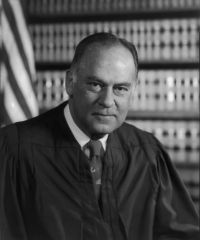
Portrait of Potter Stewart Potter Stewart New York Times v. United States…

In the absence of the governmental checks and balances present in other areas of our national life, the only effective restraint upon executive policy and power in the areas of national defense and international affairs may lie in an enlightened citizenry — in an informed and critical public opinion which alone can here protect the values of democratic government. For this reason, it is perhaps here that a press that is alert, aware, and free most vitally serves the basic purpose of the First Amendment. For, without an informed and free press, there cannot be an enlightened people.
Source: Wikisource

Portrait of Potter Stewart Potter Stewart New York Times v. United States…

Other nations can hardly deal with this Nation in an atmosphere of mutual trust unless they can be assured that their confidences will be kept. And, within our own executive departments, the development of considered and intelligent international policies would be impossible if those charged with their formulation could not communicate with each other freely, frankly, and in confidence. In the area of basic national defense, the frequent need for absolute secrecy is, of course, self-evident.
Source: Wikisource

Portrait of Potter Stewart Potter Stewart New York Times v. United States…

For when everything is classified, then nothing is classified, and the system becomes one to be disregarded by the cynical or the careless, and to be manipulated by those intent on self-protection or self-promotion. I should suppose, in short, that the hallmark of a truly effective internal security system would be the maximum possible disclosure, recognizing that secrecy can best be preserved only when credibility is truly maintained.
Source: Wikisource

Get perspective with Kwize: daily news enlightened by great literature