Summary

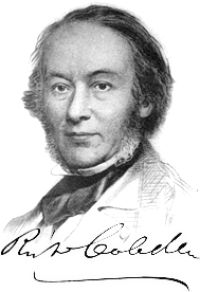
Portrait of Richard Cobden Richard Cobden The working classes and the corn laws (1842)

I am told that the price of labour in other countries is so low that we must keep up the price of bread here, to prevent wages going down to the same level. But I am prepared to prove, from documents emanating from this House, that labour is cheaper here than in other countries. I hear a sound of dissent; but I would ask those who dissent, do they consider the quality of the labour? By this test, which is the only fair one, it will be proved that the labour of England is the cheapest labour in the world.
Source: Wikisource

Portrait of Richard Cobden Richard Cobden The working classes and the corn laws (1842)

Yet we are told that the object of the repeal of the Corn-laws is to lower wages here to the level of continental wages.
Have low wages ever proved the prosperity of our manufactures? In every period when wages have dropped, it has been found that the manufacturing interest dropped also; and I hope that the manufacturers will have credit for taking a rather more enlightened view of their own interest than to conclude that the impoverishment of the multitude, who are the great consumers of all that they produce, could ever tend to promote the prosperity of our manufacturers.
Source: Wikisource

Portrait of Richard Cobden Richard Cobden The working classes and the corn laws (1842)

Baronet, that corn ought only to be admitted free of all restrictions when it is 'wanted.' That is, the particular moment or crisis when it is desirable to open our ports for the admission of foreign corn. But I would ask the House and the Government of the country, who are to decide when the corn is wanted? Is it those who need food and are starving, or those who fare sumptuously every day and roll in all the luxuries of life? What right has the right hon. Baronet to attempt to gauge the appetite of the people? It is an inordinate assumption of power to do so.
Source: Wikisource

Get perspective with Kwize: daily news enlightened by great literature