Summary

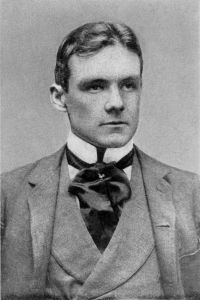
Portrait of Richard Harding Davis Richard Harding Davis Real Soldiers of Fortune — Winston Spencer Churchill (1906)

WINSTON SPENCER CHURCHILL IN the strict sense of the phrase, a soldier of fortune is a man who for pay, or for the love of adventure, fights under the flag of any country.
In the bigger sense he is the kind of man who in any walk of life makes his own fortune, who, when he sees it coming, leaps to meet it, and turns it to his advantage.
Than Winston Spencer Churchill to-day there are few young men—and he is a very young man—who have met more varying fortunes, and none who has more frequently bent them to his own advancement.
Source: Wikisource

Portrait of Richard Harding Davis Richard Harding Davis Real Soldiers of Fortune — Winston Spencer Churchill (1906)

It was a coincidence that he entered Parliament at the same age as did his father. With two other members, one born six days earlier than himself, he enjoyed the distinction of being among the three youngest members of the new House.
The fact did not seem to appall him. In the House it is a tradition that young and ambitious members sit "below" the gangway; the more modest and less assured are content to place themselves "above" it, at a point farthest removed from the leaders.
On the day he was sworn in there was much curiosity to see where Churchill would elect to sit.
Source: Wikisource

Portrait of Richard Harding Davis Richard Harding Davis Real Soldiers of Fortune — Winston Spencer Churchill (1906)

When Balfour made Chamberlain's fight for fair trade, or for what virtually was protection, a measure of the Conservatives, the lines of party began to break, and men were no longer Conservatives or Liberals, but Protectionists or Free Traders.
Against this Churchill daily protested, against Chamberlain, against his plan, against that plan being adopted by the Tory Party. By tradition, by inheritance, by instinct, Churchill was a Tory.
Source: Wikisource

Get perspective with Kwize: daily news enlightened by great literature