Rudyard Kipling

Definition and stakes

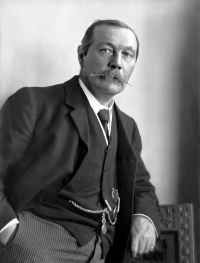
Portrait of G. K. Chesterton G. K. Chesterton,  Heretics (1905)

“ Rudyard Kipling is by divine caprice and natural genius an unconventional poet; but what he desires more than anything else to be is a conventional poet. He desires to be the poet of his people, bone of their bone, and flesh of their flesh, understanding their origins, celebrating their destiny. He desires to be Poet Laureate, a most sensible and honourable and public-spirited desire. Having been given by the gods originality—that is, disagreement with others—he desires divinely to agree with them. ”
Source: Gutenberg

Studying the short-story (1918)

“ Rudyard Kipling is without doubt the greatest of living short-story writers, though in interest his later fiction does not equal his productions of the early nineties. His journalistic work drilled him in compression; his precocious intuitions and personal experience of life in India opened up a fresh and fascinating field; his genius taught him how to tell his stories with unfailing variety, a robust humor, and an understanding of the human heart quite uncanny in one so young. In style, he is a master of the unexpected; in narration, he is by turns deliberate and swift ”
Source: Gutenberg

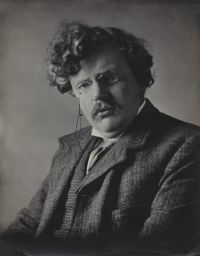
Portrait of Rudyard Kipling Rudyard Kipling,  Kim (1912)

“ Ye will find charity throughout—it is not denied to the well-looking. I will give orders for provision. A servant to set you forth upon your journey? No. . . . Then I will at least cook ye good food.'
'What a woman is the Sahiba!' said the white-bearded Oorya, when a tumult rose by the kitchen quarters. 'She has never forgotten a friend: she has never forgotten an enemy in all her years. And her cookery—wah!' He rubbed his slim stomach.
There were cakes, there were sweetmeats, there was cold fowl stewed to rags with rice and prunes—enough to burden Kim like a mule.
”
Source: Wikisource

Get perspective with Kwize: daily news enlightened by great literature