Jainism is an ancient Indian religious tradition emphasizing non-violence (ahimsa), asceticism, and the pursuit of spiritual liberation through strict self-discipline. Scholars such as Georg Bühler highlight the perseverance of its lay adherents, while John P. Jones underscores its focus on "Victorious Ones" who achieve perfection through self-control.
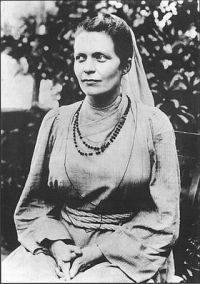
Thomas William Rhys Davids notes Jainism’s philosophical origins in pre-Buddhist India, contrasting its endurance with Buddhism’s integration into Hinduism. Sister Nivedita connects Jainism to early attempts to unify Vedic and popular beliefs, and Swami Vivekananda portrays it as an extreme ascetic alternative to Buddhism. These viewpoints collectively reveal Jainism as a unique, philosophically rigorous tradition that has maintained its identity through centuries of religious development.
 Georg Bühler,
On the Indian Sect of the Jainas
Georg Bühler,
On the Indian Sect of the Jainas