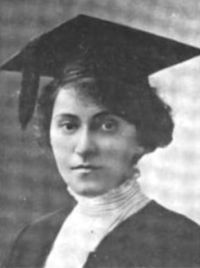
Ruth Edna Kelley

Ruth Edna Kelley

Summary

Portrait of Ruth Edna Kelley Ruth Edna Kelley The Book of Hallowe'en

The sun has always marked out work-time and rest, divided the year into winter idleness, seed-time, growth, and harvest; it has always been responsible for all the beauty and goodness of the earth; it is itself splendid to look upon. It goes away and stays longer and longer, leaving the land in cold and gloom; it returns bringing the long fair days and resurrection of spring. A Japanese legend tells how the hidden sun was lured out by an image made of a copper plate with saplings radiating from it like sunbeams, and a fire kindled, dancing, and prayers
Source: Gutenberg

Portrait of Ruth Edna Kelley Ruth Edna Kelley The Book of Hallowe'en

The custom of making tests to learn the future comes from the old system of augury from sacrifice. Who sees in the nuts thrown into the fire, turning in the heat, blazing and growing black, the writhing victim of an old-time sacrifice to an idol?
Many superstitions and charms were believed to be active at any time, but all those and numerous special ones worked best on November Eve. All the tests of all the Celtic festivals have been allotted to Hallowe'en. Cakes from the May Eve fire, hemp-seed and prophetic dreams from Midsummer, games and sports from Lugnasad have survived in varied forms.
Source: Gutenberg

Portrait of Ruth Edna Kelley Ruth Edna Kelley The Book of Hallowe'en

Once a year it flames up high, and we call it St. John's Fire. Once a year comes Free-night. Yes, truly, Free-night. Then the witches, laughing scornfully, ride to Blocksberg, upon the mountain-top, on their broomsticks, the same broomsticks with which at other times their witchcraft is whipped out of them,—then the whole wild company skims along the forest way,—and then the wild desires awaken in our hearts which life has not fulfilled.
Source: Gutenberg

Get perspective with Kwize: daily news enlightened by great literature