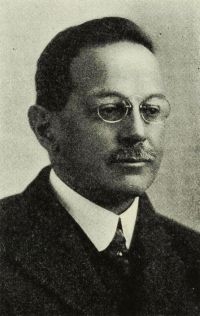
Samuel Scoville, Jr.

Samuel Scoville, Jr.

Summary

Portrait of Samuel Scoville, Jr. Samuel Scoville, Jr. Abraham Lincoln: His Story (1918)

Once Judge Davis, who ruled the whole bar with a rod of iron, tried to call Lincoln back to his end of the table.
"Come up here where you belong, Lincoln," he shouted.
"Got anything better to eat at your end. Judge?" drawled Lincoln, remaining where he was.
He soon became one of the best known and best liked men throughout this great expanse of country. In his hand he usually carried a queer, old carpet-bag. Although he was always careless about his clothes he kept himself scrupulously clean, and had learned that a man who shaves every day will go much farther than one who does not.
Source: Wikisource

Portrait of Samuel Scoville, Jr. Samuel Scoville, Jr. Abraham Lincoln: His Story (1918)

We are not enemies but friends. We must not be enemies. Though passion may have strained it must not break our bonds of affection. The mystic chords of memory, stretching from every battlefield and patriot grave to every living heart and hearth-stone all over this broad land, will yet swell the chorus of the Union when again touched, as surely they will be, by the better angels of our nature.
Like Franklin, too, Lincoln possessed the tact of a true statesman.
Source: Wikisource

Portrait of Samuel Scoville, Jr. Samuel Scoville, Jr. Abraham Lincoln: His Story (1918)

He who looks ever into the far future and seeks constantly to know the eternal purposes of life wins to a clearer vision than ordinary men. It was so with Abraham Lincoln. Listen to some of the messages that he has left for us of another generation:
No man is good enough to govern another person without that other's consent. This is a world of compensation. He who would be no slave must be content to have no slave. Those who deny freedom to others deserve it not themselves, and under a just God cannot long retain it.
Source: Wikisource

Get perspective with Kwize: daily news enlightened by great literature