Summary

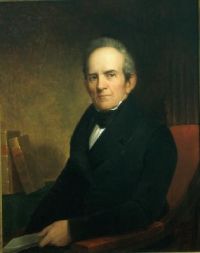
Portrait of Smith Thompson Smith Thompson Bank of the United States v. Bank of Washington…

The mere indorsement on the execution, 'use and benefit of the office of discount and deposit of the United States, Washington city,' cannot, in its utmost extent, be considered any thing more than an authority to receive the money, and apply it to the use of the party receiving it. It is no more an assignment of the judgment, than if the authority had been given by a power of attorney in any other manner, or by an order drawn on the Bank of Washington.
Source: Wikisource

Portrait of Smith Thompson Smith Thompson Bank of the United States v. Bank of Washington…

No such rule is necessary for the protection of the rights of parties. The writ of error may be so taken out as to operate as a supersedeas. Or, if a proper case can be made for the interference of a court of chancery, the execution may be stayed by injunction.
It has been argued, however, on the part of the defendants in error, that the Bank of the United States stands in the character of assigness of the judgment, and is thereby subjected to the same responsibility as the original parties, Triplett and Neale.
Source: Wikisource

Portrait of Smith Thompson Smith Thompson Bank of the United States v. Bank of Washington…

If the marshal might have sold the property of the bank and given a good title to the purchaser, it is difficult to discover any good reason why a payment made by the bank should not be equally valid, as it respects the rights of third persons. In neither case does the party against whom the erroneous judgment has been enforced, lose his remedy against the party to the judgment. On the reversal of the judgment, the law raises an obligation in the party to the record, who has received the benefit of the erroneous judgment, to make restitution to the other party for what he has lost.
Source: Wikisource

Get perspective with Kwize: daily news enlightened by great literature