Summary

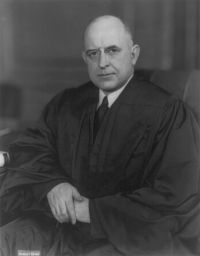
Portrait of Stanley Forman Reed Stanley Forman Reed Esso Standard Oil Company v. Evans…

There is no claim of a stated immunity. And we find none implied. The United States, today, is engaged in vast and complicated operations in business fields, and important purchasing, financial, and contract transactions with private enterprise. The Constitution does not extend sovereign exemption from state taxation to corporations or individuals, contracting with the United States, merely because their activities are useful to the Government. We hold, therefore, that sovereign immunity does not prohibit this tax.
Source: Wikisource

Portrait of Stanley Forman Reed Stanley Forman Reed Esso Standard Oil Company v. Evans…

Esso paid the required tax for the privilege of storing gasoline measured by the amount stored during the month of January 1944-the statute of limitations having run in regard to 1943 operations-and sued to recover. The Government intervened in the trial court and entered its plea, echoed by Esso, that the tax was barred by the constitutional doctrine of intergovernmental immunity; that to construe the Tennessee statute as applicable to storage off gasoline owned by the United States makes it repugnant to the Constitution and void.
Source: Wikisource

Portrait of Stanley Forman Reed Stanley Forman Reed Esso Standard Oil Company v. Evans…

This tax was imposed because Esso stored gasoline. It is not, as the Allegheny County tax was, based on the worth of the government property. Instead, the amount collected is graduated in accordance with the exercise of Esso's privilege to engage in such operations; so it is not 'on' the federal property as was Pennsylvania's. Federal ownership of the fuel will not immunize such a private contractor from the tax on storage. It may generally, as it did here, burden the United States financially.
Source: Wikisource

Get perspective with Kwize: daily news enlightened by great literature