Summary

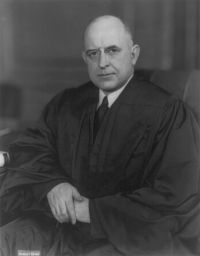
Portrait of Stanley Forman Reed Stanley Forman Reed Regan v. New York — Opinion of the Court

Article I, § 6, of the Constitution of the State of New York provides, in part, that no person shall 'be compelled in any criminal case to be a witness against himself'. [1] Section 381 of the New York Penal Law, McK.Consol.Laws, c. 40, as it existed at the time of this case, provided that testimony relating to bribery could not be withheld on the ground of self-incrimination, but conferred immunity from prosecution for any criminal activity revealed in such testimony.
Source: Wikisource

Portrait of Stanley Forman Reed Stanley Forman Reed Regan v. New York — Opinion of the Court

The petitioner knew that however the question of the validity of the waiver might be resolved, he was obliged to testify. In persisting in his refusal after being directed to testify he could be punished for contempt. The law strives to provide predictability so that knowing men may wisely order their affairs; it cannot, however, remove all doubts as to the consequence of a course of action.
Source: Wikisource

Portrait of Stanley Forman Reed Stanley Forman Reed Regan v. New York — Opinion of the Court

If the waiver is invalid, the immunity from prosecution persists, and in the presence of such immunity petitioner's testimony could not possibly be self-incriminatory. It must be remembered that this conviction is for refusing to testify. The invalidity of the waiver may be made a defense to subsequent prosecution, where it would be a proper matter for disposition; it is no defense to a refusal to testify.
Source: Wikisource

Get perspective with Kwize: daily news enlightened by great literature