Summary

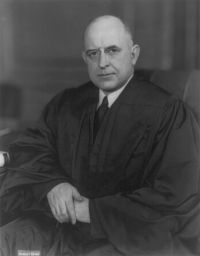
Portrait of Stanley Forman Reed Stanley Forman Reed United States v. Interstate Commerce Commission…

The difference between a public and a private pier under the tariffs is whether the railroads have control of the areas directly or through their agents, or whether the shipper or consignee has control.
There is no objection to such a practice generally, whether the line-haul rates and the handling rates are stated in a single factor rate or separately. To require the carriers to furnish such accessorial services at every private pier would disperse the traffic, cause the maintenance of more crews or watchmen, and thus add to the cost of transportation.
Source: Wikisource

Portrait of Stanley Forman Reed Stanley Forman Reed United States v. Interstate Commerce Commission…

The Government actually is being treated just as any shipper who decides not to take advantage of the services offered in the tariff. It seeks a preference over these other shippers who take deliveries of export rate traffic at piers under their own control, so-called private piers. The general practice at North Atlantic ports is to refuse to absorb handling charges at private piers, even though they are absorbed where the carriers have control of the facilities.
Source: Wikisource

Portrait of Stanley Forman Reed Stanley Forman Reed United States v. Interstate Commerce Commission…

In general the railroads have taken on the duty of wharfage and handling for freight consigned for overseas shipment. [5] In some instances railroads have charged for the use of the piers ('wharfage') and the necessary 'handling' separately from their charge for line-haul transportation. In other cases there has been only a single factor export rate (one inclusive charge) providing for limited shipside delivery with the railroad furnishing these accessorial services pursuant to their tariffs at no extra charge to the shipper.
Source: Wikisource

Get perspective with Kwize: daily news enlightened by great literature