Summary

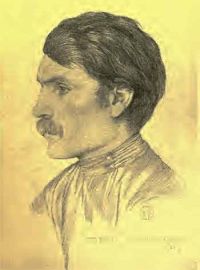
Portrait of Stephen Graham Stephen Graham The challenge of the dead

You wait, and whilst mist chills the marrow the ghostly moment of Albert comes once more. Night has more than heralded itself; it is here in a vast-fronted army and comes onward. Demon-eyes look over the ridges, flash angrily, greedily; the roar of battle thunder bursts up; the gas-shells cat-calling across the sky fall in showers on the mud; field-guns are advanced to point-blank range—there comes the tide of the war-worn German soldiery of March 1918, war-worn and yet exultant; the English are driven out, the leaning Virgin falls, and the city is given over to the enemy. Albert is dead
Source: Gutenberg

Portrait of Stephen Graham Stephen Graham The challenge of the dead

Alas, Albert had its day of fate and of complete sacrifice ere the war should end—when all should go, yea, Virgin and all, and only Golgotha remain, Golgotha and the Roman soldiers who smote the Master with their spears as He hung from the Cross.
Twilight settles down upon the dead, the twilight of time and misery. The dreadful reality of destruction becomes more intense and real. After all, sunlight and the noonday do not always show us truth. They are in themselves so full of life and happiness that they divert attention from ruins and death unto themselves.
Source: Gutenberg

Portrait of Stephen Graham Stephen Graham The challenge of the dead

Politically understood, there should be no property in the dead bodies of this great war. There is only one totality of death and suffering. The dead of the war are a blend. One high stone might stand at the head of each cemetery, and on it all the names be inscribed. The little crosses with name and numbers on each are but desperate human reminders of individuality. But for a dreadful peace, worse than the war, America would have been convinced, as was her war-commander Pershing, that it was nobler to leave her sacrifices on the altar with the others.
Source: Gutenberg

Get perspective with Kwize: daily news enlightened by great literature