Summary

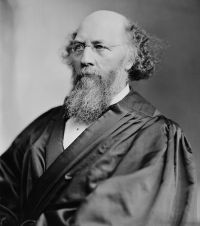
Portrait of Stephen Johnson Field Stephen Johnson Field Williams v. Bruffy — Opinion of the Court

Each party is, therefore, deemed by us a belligerent nation, having, so far as concerns us, the sovereign rights of war, and entitled to be respected in the exercise of those rights. We cannot interfere to the prejudice of either belligerent, without making ourselves a party to the contest, and departing from the position of neutrality.'
Vattel says: 'A civil war breaks the bands of society and government, or, at least, suspends their force and effect; it produces in the nation two independent parties, who consider each other as enemies, and acknowledge no common judge.
Source: Wikisource

Portrait of Stephen Johnson Field Stephen Johnson Field Williams v. Bruffy — Opinion of the Court

When a rebellion becomes organized, and attains such proportions as to be able to put a formidable military force in the field, it is usual for the established government to concede to it some belligerent rights. This concession is made in the interests of humanity, to prevent the cruelties which would inevitably follow mutual reprisals and retaliations. But belligerent rights, as the terms import, are rights which exist only during war; and to what extent they shall be accorded to insurgents depends upon the considerations of justice, humanity, and policy controlling the government.
Source: Wikisource

Portrait of Stephen Johnson Field Stephen Johnson Field Williams v. Bruffy — Opinion of the Court

After stating that, according to Grotius, a civil war is public on the side of the established government, and private on the part of the people resisting its authority, Wheaton says: 'But the general usage of nations regards such a war as entitling both the contending parties to all the rights of war as against each other, and even as respects neutral nations.' Wheaton, Int.
Source: Wikisource

Get perspective with Kwize: daily news enlightened by great literature