Summary

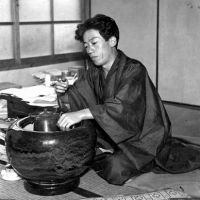
Portrait of Takiji Kobayashi Takiji Kobayashi The Cannery Boat — The Fifteenth of March… (1933)

The prison in the police headquarters was full. Every time the keys grated in the lock the prisoners inside would stop their talk and look up eagerly. Watari, Senzomoto, Sessito and Sakanishi would recognize the newcomers and welcome them. The policeman standing guard would get as red as a turkey-cock. He would puff out his chest and make a fuss and splutter. Nobody paid any attention to him. All the fifteen men locked in this cell had been comrades, had fought side by side in the front rank.
Source: Wikisource

Portrait of Takiji Kobayashi Takiji Kobayashi The Cannery Boat — The Fifteenth of March… (1933)

The police allow themselves all sorts of licence.”
The workers listened attentively to Rinkichi Ogawa. Sometimes they shouted excitedly and stamped their feet.
Rinkichi added:
“It says in our constitution, comrades—‘No Japanese subject can be arrested, imprisoned or punished without lawful reason.’ And how do things really stand? We have never done anything that could be regarded as lawful reason for arrest. We have been thrown into prison without trial and sentence. Our laws and constitution are a network of lies and fraud.”
Source: Wikisource

Portrait of Takiji Kobayashi Takiji Kobayashi The Cannery Boat — The Fifteenth of March… (1933)

Watari roared in his deep voice. His sonorous tones never failed to make a profound impression.
Ishida stood apart and watched his comrades. Childish would have been too mild a term to apply to their conduct, in his opinion. He always got angry when people like Sessito—and there were many such in the union—made rows on the slightest provocation. According to Ishida, it was advisable only to use defensive methods on exceptionally important occasions, and then do it thoroughly. In general, it was better to save one’s strength than to get worked up over every trifle.
Source: Wikisource

Get perspective with Kwize: daily news enlightened by great literature