Summary

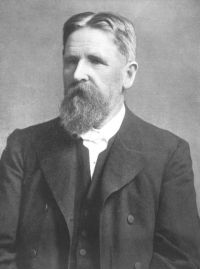
Portrait of W. H. Fitchett W. H. Fitchett Deeds that Won the Empire

The Duke was amongst the leading files of the British line as they pushed the broken French Guard down the slope, and some one begged him to remember what his life was worth, and go back. "The battle is won," said Wellington; "my life doesn't matter now." Dr. Hulme, too, has told how he woke the Duke early in the morning after the fight, his face grim, unwashed, and smoke-blackened, and read the list of his principal officers—name after name—dead or dying, until the hot tears ran, like those of a woman, down the iron visage of the great soldier.
Source: Gutenberg

Portrait of W. H. Fitchett W. H. Fitchett Deeds that Won the Empire

In the night watches in the trenches, in the dogged toil of the batteries, and the crowded perils of the breach, all the frippery and much of the real discipline of an army dissolves. The soldiers fall back upon what may be called the primitive fighting qualities—the hardihood of the individual soldier, the daring with which the officers will lead, the dogged loyalty with which the men will follow. As an illustration of the warlike qualities in our race by which empire has been achieved, nothing better can be desired than the story of how the breaches were won at Ciudad Rodrigo.
Source: Gutenberg

Portrait of W. H. Fitchett W. H. Fitchett Deeds that Won the Empire

The men who fought under the blood-red flag of Great Britain, and under the split flag of Denmark with its white cross, were alike the descendants of the Vikings. The blood of the old sea-rovers ran hot and fierce in their veins. Nelson, with the glories of the Nile still ringing about his name, commanded the British fleet, and the fire of his eager and gallant spirit ran from ship to ship like so many volts of electricity. But the Danes fought in sight of their capital, under the eyes of their wives and children.
Source: Gutenberg

Get perspective with Kwize: daily news enlightened by great literature