HMS Victory

Definition and stakes

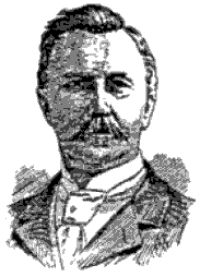
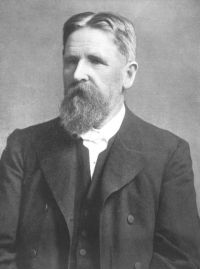
Portrait of W. H. Fitchett W. H. Fitchett,  Deeds that Won the Empire

“ It was a crash of swaying masts and bellying sails, while below rose the shouting of the crews, and, like the thrusts of fiery swords, the flames shot out from the sides of the great three-deckers against each other, and over all rolled the thunder and the smoke of a Titanic sea-fight. Nothing more murderous than close fighting betwixt the huge wooden ships of those days can well be imagined. The Victory, the largest British ship present in the action, was only 186 feet long and 52 feet broad; yet in that little area 1000 men fought, 100 great guns thundered. ”
Source: Gutenberg

Edward Fraser,  Champions of the fleet

“ She had cost so far, according to the Navy Estimates, upwards of £14,000 in materials and labour.
Two months later, on the 28th of October, the Admiralty officially named the Victory. On that day their lordships signed an order that “the new [185] 100-gun ship building at Chatham,” as the vessel had hitherto been styled in all official documents, should take the name of the Victory. At the same time a notification was sent to the Navy Board, directing them “to cause the name appointed by my Lords to be so registered in the List of His Majesty’s Navy,” and “communicated” to Chatham Dockyard.
”
Source: Gutenberg

Edward Fraser,  Champions of the fleet

“ One of the “powder-monkeys” on board the Victory, it was discovered later, was a woman. Her [233] husband was also on board the ship. She was a native of Port Mahon, and an officer who saw her there in 1841 described her as being then “a sturdy woman of 70.” The last survivor of the seamen and marines on board the Victory at Trafalgar died at Dundee in November, 1876.
This interesting detail in regard to the Victory’s crew should be mentioned in addition. Practically 30 per cent of the seamen were volunteers, so the ship’s muster-book states.
”
Source: Gutenberg

Get perspective with Kwize: daily news enlightened by great literature