Summary

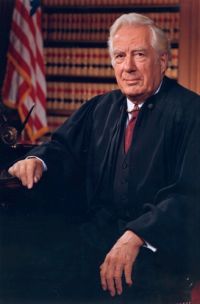
Portrait of Warren E. Burger Warren E. Burger United States v. Nixon (418 U.S. 683…

Nonetheless, the Court also recognized that isolated inroads on confidentiality designed to serve the paramount need of the criminal law would not vitiate the interests served by secrecy:
A juror of integrity and reasonable firmness will not fear to speak his mind if the confidences of debate are barred to the ears of mere impertinence or malice. He will not expect to be shielded against the disclosure of his conduct in the event that there is evidence reflecting upon his honor.
Source: Wikisource

Portrait of Warren E. Burger Warren E. Burger United States v. Nixon (418 U.S. 683…

The expectation of a President to the confidentiality of his conversations and correspondence, like the claim of confidentiality of judicial deliberations, for example, has all the values to which we accord deference for the privacy of all citizens and, added to those values, is the necessity for protection of the public interest in candid, objective, and even blunt or harsh opinions in Presidential decisionmaking.
Source: Wikisource

Portrait of Warren E. Burger Warren E. Burger United States v. Nixon (418 U.S. 683…

The second contention is that, if he does not prevail on the claim of absolute privilege, the court should hold as a matter of constitutional law that the privilege prevails over the subpoena duces tecum.
In the performance of assigned constitutional duties, each branch of the Government must initially interpret the Constitution, and the interpretation of its powers by any branch is due great respect from the others. The President's counsel, as we have noted, reads the Constitution as providing an absolute privilege of confidentiality for all Presidential communications.
Source: Wikisource

Get perspective with Kwize: daily news enlightened by great literature