Summary

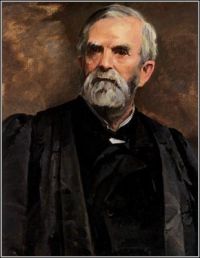
Portrait of William Burnham Woods William Burnham Woods Fussell v. Gregg — Opinion of the Court

Their possession is good against all the world except the true owner. As the bill asserts no equity against them, they have the right to stand on their possession until compelled to yield to the true title, and to demand a trial by jury of the question whether the plaintiff has the true title. The plaintiff cannot deprive them of that right by neglecting to acquire the legal title, and upon the ground of her equitable title ask the aid of a court of equity. She can turn the defendants out of possession only upon the strength of the legal title, which she must first acquire.
Source: Wikisource

Portrait of William Burnham Woods William Burnham Woods Fussell v. Gregg — Opinion of the Court

On that day all interest and estate of the heirs of Archibald Gordon in the lands covered by his entry recorded on January 1, 1823, and his survey recorded on November 6, 1824, ceased and determined. The plaintiff, therefore, has failed to make good her averment that she has an equitable estate in fee-simple to the premises in controversy. She has therefore shown no right to the relief prayed by her bill. It is immaterial whether the patent of Gregg, under which the defendants claim, was valid or void. The plaintiff, having no title, can have no relief against them.
Source: Wikisource

Get perspective with Kwize: daily news enlightened by great literature