Summary

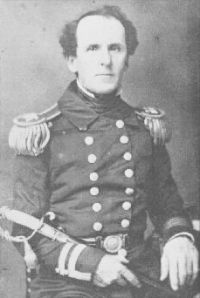
Portrait of William Francis Lynch William Francis Lynch Narrative Of The United States Expedition To The River Jordan And The Dead Sea… (1849)

The weather during the morning was exceedingly sultry and oppressive. At 8:30, thermometer 106°. The clouds were motionless, the sea unruffled, the rugged faces of the rocks without a shadow, and the canes and tamarisks around the fountain drooped their heads towards the only element which could sustain them under the smiting heat. The Sherîf slept in his tent, the Arabs in various listless attitudes around him; and the mist of evaporation hung over the sea, almost hiding the opposite cliffs.
Source: Wikisource

Portrait of William Francis Lynch William Francis Lynch Narrative Of The United States Expedition To The River Jordan And The Dead Sea… (1849)

Taking the mean depth, width, and velocity of its more constant tributaries, I had estimated the quantity of water which the Dead Sea was hourly receiving from them at the time of our visit, but the calculation is one so liable to error, that I withhold it. It is scarcely necessary to say, that the quantity varies with the season, being greater during the winter rains, and much less in the heat of summer.
Source: Wikisource

Portrait of William Francis Lynch William Francis Lynch Narrative Of The United States Expedition To The River Jordan And The Dead Sea… (1849)

The bulbul, the nightingale of this region, is like our kingfisher, except that its plumage is brown and blue, and the bill a deep scarlet. We cannot say that we ever heard it sing; but at various places on the Jordan we heard a bird singing at night, and the Arabs said it was the bulbul.
The heat increased with the ascending sun, and at meridian the thermometer stood at 110° in the shade. The Sherîf’s tent was dark and silent, and we were compelled to discontinue work. The surface of the sea was covered by an impenetrable mist, which concealed the two extremities and the eastern shore
Source: Wikisource

Get perspective with Kwize: daily news enlightened by great literature