Summary

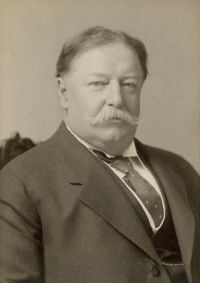
Portrait of William Howard Taft William Howard Taft Myers v. International Trust Company…

The reasoning of the bankruptcy court was that paragraph (3) required that the materially false statement, to be effective to prevent a discharge, should be made directly to the creditor or his representative whom the debtor intended to deceive, and that, as the specification only showed a statement made to a commercial agency, it did not aver facts sufficient to constitute a bar to the composition and the bankrupt's discharge.
A year later the creditor began his action for deceit. In addition to the general issue, the defendants and former bankrupts set up the above judgment as res judicata.
Source: Wikisource

Portrait of William Howard Taft William Howard Taft Myers v. International Trust Company…

An adjudication of bankruptcy, or a discharge therefrom, is a judgment in rem and is binding on, and res judicata as to, all the world, only in respect of the status of the bankrupt, and is not conclusive as to the findings of fact or subsidiary questions of law on which it is based except as between parties to the proceedings or privies thereto.
Source: Wikisource

Portrait of William Howard Taft William Howard Taft Myers v. International Trust Company…

In all cases, therefore, where it is sought to apply the estoppel of a judgment rendered upon one cause of action to matters arising in a suit upon a different cause of action, the inquiry must always be as to the point or question actually litigated and determined in the original action, not what might have been thus litigated and determined.
Source: Wikisource

Get perspective with Kwize: daily news enlightened by great literature