Summary

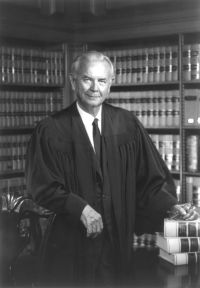
Portrait of William J. Brennan William J. Brennan New York Times v. Sullivan (376 U.S. 254…

A rule compelling the critic of official conduct to guarantee the truth of all his factual assertions — and to do so on pain of libel judgments virtually unlimited in amount — leads to a comparable "self-censorship." Allowance of the defense of truth, with the burden of proving it on the defendant, does not mean that only false speech will be deterred.
Source: Wikisource

Portrait of William J. Brennan William J. Brennan New York Times v. Sullivan (376 U.S. 254…

The States accord the same immunity to statements of their highest officers, although some differentiate their lesser officials and qualify the privilege they enjoy. [22] But all hold that all officials are protected unless actual malice can be proved. The reason for the official privilege is said to be that the threat of damage suits would otherwise "inhibit the fearless, vigorous, and effective administration of policies of government" and "dampen the ardor of all but the most resolute, or the most irresponsible, in the unflinching discharge of their duties."
Source: Wikisource

Portrait of William J. Brennan William J. Brennan New York Times v. Sullivan (376 U.S. 254…

Whether or not a newspaper can survive a succession of such judgments, the pall of fear and timidity imposed upon those who would give voice to public criticism is an atmosphere in which the First Amendment freedoms cannot survive. Plainly the Alabama law of civil libel is
a form of regulation that creates hazards to protected freedoms markedly greater than those that attend reliance upon the criminal law. Bantam Books, Inc. v. Sullivan, 372 U.S. 58, 70.
The state rule of law is not saved by its allowance of the defense of truth.
Source: Wikisource

Get perspective with Kwize: daily news enlightened by great literature