Summary

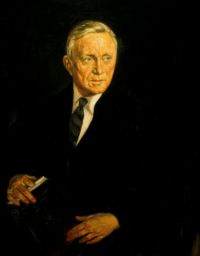
Portrait of William O. Douglas William O. Douglas Beauharnais v. Illinois — Dissent

But it represents a philosophy at war with the First Amendment-a constitutional interpretation which puts free speech under the legislative thumb. It reflects an influence moving ever deeper into our society. It is notice to the legislatures that they have the power to control unpopular blocs. It is a warning to every minority that when the Constitution guarantees free speech it does not mean what it says.
Source: Wikisource

Portrait of William O. Douglas William O. Douglas Beauharnais v. Illinois — Dissent

Freedom of speech, however, rests on a different constitutional basis. The First Amendment says that freedom of speech, freedom of press, and the free exercise of religion shall not be abridged. That is a negation of power on the part of each and every department of government. Free speech, free press, free exercise of religion are placed separate and apart; they are above and beyond the police power; they are not subject to regulation in the manner of factories, slums, apartment houses, production of oil, and the like.
Source: Wikisource

Get perspective with Kwize: daily news enlightened by great literature