Summary

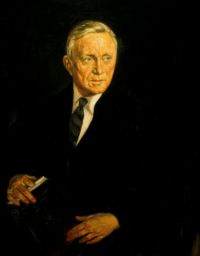
Portrait of William O. Douglas William O. Douglas Colonnade Catering Corp. v. United States…

The government agents needed neither a warrant nor these statutes to secure entry to this place of business since it was as open as any business establishment that seeks to sell goods and services to the public. The agents need to rely on the statutes only to carry out their duty to inspect after accomplishing entry. This was recognized implicitly by Congress in limiting the inspection to 'business hours' and daytime. Congress went beyond mere entry
Source: Wikisource

Portrait of William O. Douglas William O. Douglas Colonnade Catering Corp. v. United States…

What was said in See reflects this Nation's traditions that are strongly opposed to using force without definite authority to break down doors. We deal here with the liquor industry long subject to close supervision and inspection. As respects that industry, and its various branches including retailers, Congress has broad authority to fashion standards of reasonableness for searches and seizures. Under the existing statutes, Congress selected a standard that does not include forcible entries without a warrant.
Source: Wikisource

Portrait of William O. Douglas William O. Douglas Colonnade Catering Corp. v. United States…

We agree that Congress has broad power to design such powers of inspection under the liquor laws as it deems necessary to meet the evils at hand. The general rule laid down in See v. City of Seattle, supra, 387 U.S. at 545, 87 S.Ct. at 1740-'that administrative entry, without consent, upon the portions of commercial premises which are not open to the public may only becompelled through prosecution or physical force within the framework of a warrant procedure'-is therefore not applicable here.
Source: Wikisource

Get perspective with Kwize: daily news enlightened by great literature