Summary

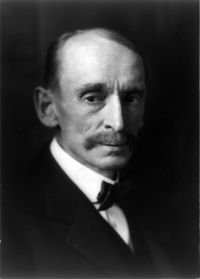
Portrait of William R. Day William R. Day Bobbs-Merrill Company v. Straus…

The precise question, therefore, in this case is, Does the sole right to vend (named in § 4952) secure to the owner of the copyright the right, after a sale of the book to a purchaser, to restrict future sales of the book at retail, to the right to sell it at a certain price per copy, because of a notice in the book that a sale at a different price will be treated as an infringement, which notice has been brought home to one undertaking to sell for less than the named sum?
Source: Wikisource

Portrait of William R. Day William R. Day Bobbs-Merrill Company v. Straus…

While the nature of the property and the protection intended to be given the inventor or author as the reward of genius or intellect in the production of his book or work of art is to be considered in construing the act of Congress, it is evident that to secure the author the right to multiply copies of his work may be said to have been the main purpose of the copyright statutes.
Source: Wikisource

Portrait of William R. Day William R. Day Bobbs-Merrill Company v. Straus…

What does the statute mean in granting 'the sole right of vending the same?' Was it intended to create a right which would permit the holder of the copyright to fasten, by notice in a book or upon one of the articles mentioned within the statute, a restriction upon the subsequent alienation of the subject-matter of copyright after the owner had parted with the title to one who had acquired full dominion over it and had given a satisfactory price for it? It is not denied that one who has sold a copyrighted article, without restriction, has parted with all right to control the sale of it.
Source: Wikisource

Get perspective with Kwize: daily news enlightened by great literature