Summary

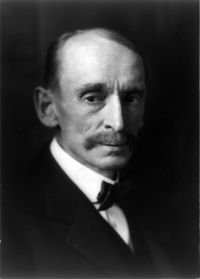
Portrait of William R. Day William R. Day City of St. Louis v. United Railways Company…

In the fixing of a license tax upon all companies alike for the privilege of using cars in the city, it is exerting other charter powers. It makes provision uniformly applicable to all persons or companies using street cars. It is a revenue measure equally applicable to all coming within its terms. We do not perceive that the exercise of the power to grant privileges in the streets in making terms with companies seeking such rights, in the absence of plain and unequivocal terms to that effect, excludes the city's right to impose the license tax under the power conferred for that purpose.
Source: Wikisource

Portrait of William R. Day William R. Day City of St. Louis v. United Railways Company…

But the answer is that the company took their charter subject to the same right of taxation in the state that applies to all other privileges and to all other property. If they wished or intended to have an exemption of any kind from taxation, or felt that it was necessary to the profitable working of their business, they should have required a provision to that effect in their charter. The Constitution of the United States does not profess in all cases to protect property from unjust and oppressive taxation by the states.
Source: Wikisource

Portrait of William R. Day William R. Day City of St. Louis v. United Railways Company…

Is it true that because the city has required and the company has agreed to pay certain sums fixed in amount, or based on the receipts, for the use of the streets, that it has thereby deprived itself of the power to exercise the authority existing at the time the ordinances were passed to license street railway cars, and, in the exercise of that power, to charge a license fee or tax?
Source: Wikisource

Get perspective with Kwize: daily news enlightened by great literature