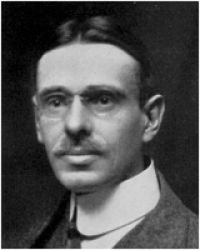
William Tyler Olcott

William Tyler Olcott

Summary

Portrait of William Tyler Olcott William Tyler Olcott Star Lore Of All Ages — Canis Minor… (1911)

Martin referring to Procyon writes: "It is in fact a most beautiful star, and is only the sixth in order of brightness among the stars seen in our latitude. It is very distinctly individual, being the only one among the beautiful winter group that is lightly tinged with yellow. It is one of the Sirian class of stars, but is somewhat further developed than Sirius, and is beginning to have the golden tint which signifies that it is approaching the time of life into which Capella and the sun are well passed."
Source: Wikisource

Portrait of William Tyler Olcott William Tyler Olcott Star Lore Of All Ages — Canis Minor… (1911)

National Museum. Palermo with its two stars of any prominence, it would take a fertile imagination to descry the figure of a canine; but when we realise its importance as a warning sign set in the sky for all to observe, then we perceive the significance and appropriateness of the title of the constellation.
Horace, in his celebrated ode to Mæcenas, accredits to Procyon the fiery nature attributed by all to Sirius. He writes:
Now Procyon flames with fiercest fire;
a line which Mr, Gladstone translates:
The heavens are hot with Procyon's rays.
Source: Wikisource

Get perspective with Kwize: daily news enlightened by great literature