The Acts of the Apostles, the fifth book of the New Testament, recounts the establishment of the Christian Church and the dissemination of its message throughout the Roman Empire. Traditionally ascribed to Luke, it constitutes a two-volume work alongside the Gospel of Luke, emphasizing the shift from Jesus’ ministry to the early Church’s mission.
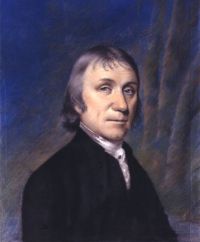
Scholars such as Matthew Henry emphasized the apostles’ roles as divinely appointed witnesses and leaders, underscoring their commitment to prayer and proclamation. Jan Hus connected apostolic authority to Christ’s teachings, while Joseph Priestley observed the apostles’ emphasis on testimony rather than rule. These diverse interpretations highlight the text’s lasting theological and historical importance, portraying the Church’s beginnings as a divine calling that surpasses human structures.