Ambrosius

Definition and stakes

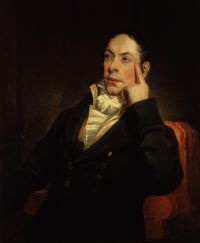
Arthur Miller,  Dictionary of National Biography… (1885)

“ He describes Ambrosius as ‘courteous, faithful, valiant, and true; a man of Roman birth who had alone survived the conflict, his kindred, who had worn the purple, having perished in the struggle; his descendants, greatly degenerated in these days from the excellence of their ancestors, still provoke their conquerors to battle, and by the grace of God their prayers for victory are heard.’ Geoffrey of Monmouth and other later writers represent Ambrosius as the son of Constantine, who was elected emperor in Britain, Gaul, and Spain during the reign of the Emperor Honorius ”
Source: Wikisource

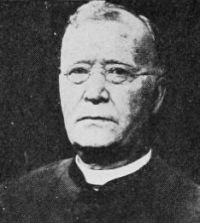
Portrait of Philip Schaff Philip Schaff,  Nicene and Post-Nicene Fathers… (1885)

“ After making his offering, as he was wont, he remained within at the rail, but once more the great Ambrosius kept not silence and taught him the distinction of places. First he asked him if he wanted anything; and when the emperor said that he was waiting for participation in the divine mysteries, Ambrose sent word to him by the chief deacon and said, “The inner place, sir, is open only to priests; to all the rest it is inaccessible; go out and stand where others stand; purple can make emperors, but not priests.” ”
Source: Wikisource

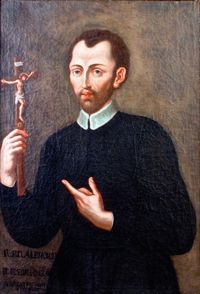
Portrait of Charles Francis Keary Charles Francis Keary,  Dictionary of National Biography… (1885)

“ At the head of this body stood Ambrosius Aurelianus, who is spoken of as long waging a doubtful war against the Saxons, obtaining frequent successes over them, but, owing to the ever increasing hordes by which the invaders were recruited, unable to draw much profit from his victories. Ambrosius claimed descent from Constantine the Tyrant, the last Roman who ever wore the purple in Britain. The later histories of Arthur represent him as the nephew of this Ambrosius, and the son of Ambrosius's brother, Uther Pendragon. ”
Source: Wikisource

Get perspective with Kwize: daily news enlightened by great literature