Psalmody

Definition and stakes

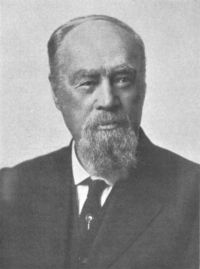
Portrait of Philip Schaff Philip Schaff,  Nicene and Post-Nicene Fathers… (1885)

“ A psalm is souls’ calm, herald of peace, hushing the swell and agitation of thoughts. It soothes the passions of the soul; it brings her license under law. A psalm is welder of friendship, atonement of adversaries, reconciliation of haters. Who can regard a man as his enemy, when they have lifted up one voice to God together? So Psalmody gives us the best of all boons, love. Psalmody has bethought her of concerted singing as a mighty bond of union, and links the people together in a symphony of one song. A psalm puts fiends to flight, and brings the aid of angels to our side ”
Source: Wikisource

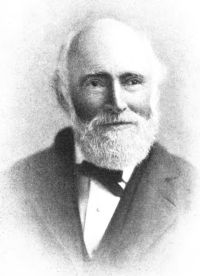
John Lord,  Beacon Lights of History, Volume 02…

“ As the Psalter was held to be the most inspiring poetry in the palmy days of the Hebrew commonwealth, so it proved the most impressive part of the ritual of the mediaeval Church, and is still the most valued of all the lyrics which Protestantism has appropriated in the worship of God. And how potent, how lasting, how valued is a good song! The psalmody of the Church will last longer than its sermons; and when a song stimulates the loftiest sentiments of which men are capable, how priceless it is, how permanently it is embalmed in the heart of the world! ”
Source: Gutenberg

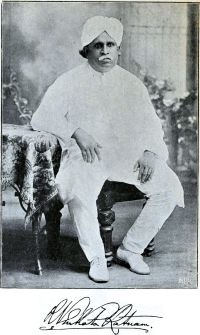
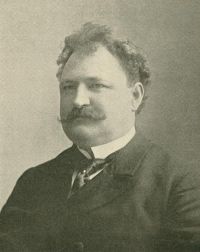
Portrait of Henry Edward Krehbiel Henry Edward Krehbiel,  A Second Book of Operas

“ We expect a sonorous hymn of triumph, but the people of God have been chastened and awed by their quick deliverance, and their paean is in the solemn tone of temple psalmody, the first striking bit of local color which the composer has introduced into his score—a reticence on his part of which it may be said that it is all the more remarkable from the fact that local color is here completely justified:—
[figure: a musical score excerpt, sung to the words "Praise, ye Jehovah! Tell all the wondrous story! Psalms of praise loudly swell!]
”
Source: Gutenberg

Get perspective with Kwize: daily news enlightened by great literature