Summary

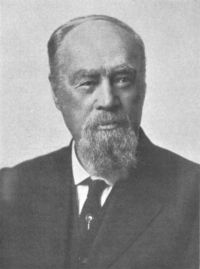
Portrait of George P. Upton George P. Upton The Standard Oratorios: Their Stories…

The first six parts seem to have included nearly all that can be done, and you wonder if the last part, the "Libera me," will not fall tamely; when to your surprise it proves to be the grand culmination of the work, and presents, with its solo and chorus and imposing fugue, an ensemble of effect, a richness of instrumentation, a severe and almost classical form of composition, and a dramatic intensity and passion that sweep the whole range of power, from a fortissimo tutte forza, down to the faintest whisper of a pianissimo.
Source: Gutenberg

Portrait of George P. Upton George P. Upton The Standard Oratorios: Their Stories…

The whole scene,--the vales and forests resounding with the music of the [175] horns, the finding of the quarry, the flying stag outstripping the wind, the pack at fault, but starting in again as they find the scent, the tally-ho of the hunters, the noble animal at bay, his death, and the shouts of the crowd,--are all pictured with a freshness and genuine out-door feeling which seem almost incredible considering Haydn's age. This remarkable number is separated from its natural companion, the bacchanalian chorus, by a recitative extolling the wealth of the vintage.
Source: Gutenberg

Portrait of George P. Upton George P. Upton The Standard Oratorios: Their Stories…

Dwight gives of this scene in the notes which he prepared when the work was performed at the Triennial Festival of the Handel and Haydn Society of Boston:--
"How full of grief, of tender, spiritual love, of faith and peace, of the heart's heaven smiling through tears, is this tone-elegy! So should the passion-music close, and not with fugue of praise and triumph like an oratorio. How sweetly, evenly, the harmony flows on,--a broad, rich, deep, pellucid river, swollen as by countless rills from all the loving, bleeding, and believing hearts in a redeemed humanity!
Source: Gutenberg

Get perspective with Kwize: daily news enlightened by great literature