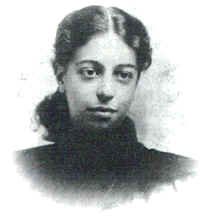
Angelina Grimké

Definition and stakes

Portrait of Frederick Douglass Frederick Douglass,  Life and Times of Frederick Douglass (1881)

“ Of Sarah and Angelina Grimke I knew but little personally. These brave sisters from Charleston, South Carolina, had inherited slaves, but in their conversion from Episcopacy to Quakerism, in 1828, became convinced that they had no right to such inheritance. They emancipated their slaves and came North and entered at once upon the pioneer work in the advancing education of woman, though they saw then in their course only their duty to the slave. They had “fought the good fight” ”
Source: Gutenberg

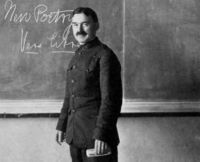
Portrait of Robert Thomas Kerlin Robert Thomas Kerlin,  Negro Poets and Their Poems (1923)

“ Whose every breath is kindliness, whose hearts are purest gold.
V. Miss Angelina W. Grimké
Not less distinctive in quality than Mrs. Johnson’s, and not less beautiful in artistry, are the brief lyrics of Miss Angelina Grimké Miss Angelina W. Grimké, also of the city of Washington. If hers should be called imagist poetry or no I cannot say, but I am certain that more vivid imaging of objects has not been done in verse by any contemporary. This, too, in stanzas that suggest in their perfection of form the work of the old lapidaries. Nor is there but a surface or formal beauty.
”
Source: Wikisource

Catherine H. Birney,  The Grimké Sisters

“ At this time, Angelina was a most attractive young woman. Tall and graceful, with a shapely head covered with chestnut ringlets, a delicate complexion and features, and clear blue eyes, which could dance with merriment or flash with indignation, and withal a dignified, yet gentle and courteous bearing, it is not surprising that she should have had many admirers of the opposite sex, even in the limited society to which she was confined. Nor can we wonder that, with a heart so susceptible to all the finer emotions, she should have preferred the companionship of one to that of all others. ”
Source: Gutenberg

Get perspective with Kwize: daily news enlightened by great literature