Apemantus

Definition and stakes

John Weiss,  Wit, Humor, and Shakspeare: Twelve Essays

“ Apemantus, in "Timon of Athens," is a cynic of a different breed, and his temper is so acid that, as was once said of Douglas Jerrold, he must have been suckled on a lemon. There is spleen in it when he says: "Would I had a rod in my mouth, that I might answer thee profitably." The cynicism of Apemantus is partly justified by the generous folly of Timon: "Now, Apemantus, if thou wert not sullen, I'd be good to thee." "No, I'll nothing: for if I should be bribed too, there would be none left to rail upon thee, and then thou would'st sin [Pg 57] the faster." ”
Source: Gutenberg

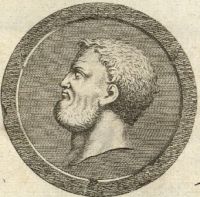
Portrait of Plutarch Plutarch,  Parallel Lives (c. 100 AD)

“ This Timon was a citizen of Athens, and lived much about the Peloponnesian war, as may be seen by the comedies of Aristophanes and Plato, in which he is ridiculed as the hater and enemy of mankind. He avoided and repelled the approaches of everyone, but embraced with kisses and the greatest show of affection Alcibiades, then in his hot youth. And when Apemantus was astonished, and demanded the reason, he replied that he knew this young man would one day do infinite mischief to the Athenians. ”
Source: Gutenberg

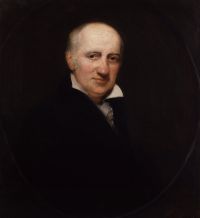
Portrait of William Shakespeare William Shakespeare,  Timon of Athens (1623)

“ Things of like value differing in the owners
Are prized by their masters: believe't, dear lord,
You mend the jewel by the wearing it.
TIMON Well mock'd.
Merchant No, my good lord; he speaks the common tongue,
Which all men speak with him.
TIMON Look, who comes here: will you be chid?
Enter APEMANTUS
Jeweller: We'll bear, with your lordship.
Merchant He'll spare none.
TIMON Good morrow to thee, gentle Apemantus!
APEMANTUS Till I be gentle, stay thou for thy good morrow;
When thou art Timon's dog, and these knaves honest.
TIMON Why dost thou call them knaves? thou know'st them not.
”
Source: http://shakespeare.mit.edu/timon/full.html

Get perspective with Kwize: daily news enlightened by great literature