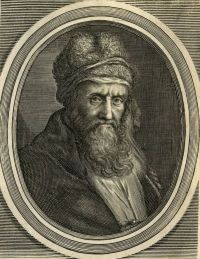
Epimenides

Definition and stakes

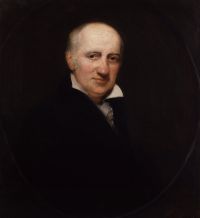
Portrait of William Godwin William Godwin,  Lives of the Necromancers

“ It was probably this circumstance that originally brought Epimenides into repute as a prophet, and a favourite of the Gods.
Epimenides appears to have been one of those persons, who make it their whole study to delude their fellow-men, and to obtain for themselves the reputation of possessing supernatural gifts. Such persons, almost universally, and particularly in ages of ignorance and wonder, become themselves the dupes of their own pretensions.
”
Source: Gutenberg

Baron Edward Bulwer Lytton Lytton,  Athens: Its Rise and Fall, Book II

“ When the time arrived for the departure of Epimenides, the Athenians would have presented him with a talent in reward of his services, but the philosopher refused the offer; he besought the Athenians to a firm alliance with his countrymen; accepted of no other remuneration than a branch of the sacred olive which adorned the citadel, and was supposed the primeval gift of Minerva, and returned to his native city,—proving that a man in those days might be an impostor without seeking any other reward than the gratuitous honour of the profession. ”
Source: Gutenberg

Portrait of George Grote George Grote,  History of Greece, Volume 03 (of 12…

“ Had Epimenidês himself come to Athens in those days, his visit would probably have been as much inoperative to all public purposes as a repetition of the stratagem of Phyê, clothed and equipped as the goddess Athênê, which had succeeded so completely in the days of Peisistratus,—a stratagem which even Herodotus treats as incredibly absurd, although, a century before his time, both the city of Athens and the demes of Attica had obeyed, as a divine mandate, the orders of this magnificent and stately woman, to restore Peisistratus. ”
Source: Gutenberg

Get perspective with Kwize: daily news enlightened by great literature