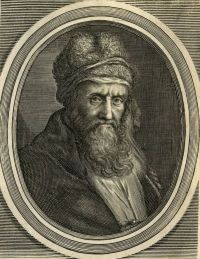
Pythagoras

Definition and stakes

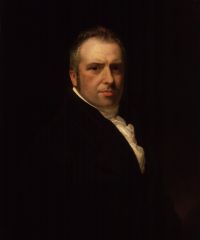
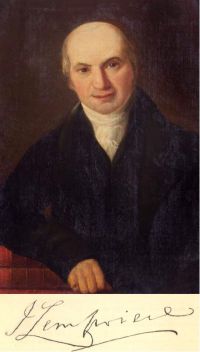
Portrait of John Lemprière John Lemprière,  A classical dictionary (1904)

“ Pythagoras was admired for his venerable aspect; his voice was harmonious, his eloquence persuasive, and the reputation he had acquired by his distant travels, and by being crowned at the Olympic games, was great and important. He regularly frequented the temples of the gods, and paid his devotion to the divinity at an early hour; he lived upon the purest and most innocent food, he clothed himself like the priests of the Egyptian gods, and by his continual purifications and regular offerings, he seemed to be superior to the rest of mankind in sanctity. ”
Source: Gutenberg

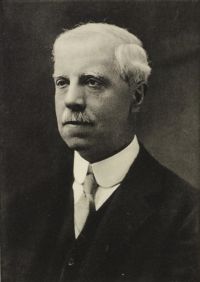
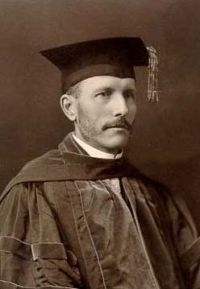
W. T. Stace,  A critical history of Greek philosophy

“ Turning now to their philosophical teaching, the first thing that we have to understand is that we cannot speak of the philosophy of Pythagoras, but only of the philosophy of the Pythagoreans. For it is not known what share Pythagoras had in this philosophy or what share was contributed by his successors. Now we recognize objects in the universe by means of their qualities. But the majority of these qualities are not universal in their scope; some things possess some qualities; others possess others. A leaf, for example, is green, but not all things are green. ”
Source: Gutenberg

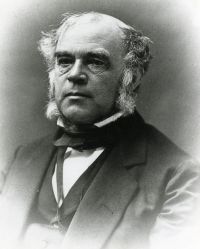
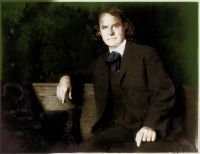
Portrait of Alfred North Whitehead Alfred North Whitehead,  Science and the modern world (1925)

“ In the seventeenth century, the birth of modern science required a new mathematics, more fully equipped for the purpose of analysing the characteristics of vibratory existence. And now in the twentieth century we find physicists largely engaged in analysing the periodicities of atoms. Truly, Pythagoras in founding European philosophy and European mathematics, endowed them with the luckiest of lucky guesses — or, was it a flash of divine genius, penetrating to the inmost nature of things? ”
Source: Wikisource

Get perspective with Kwize: daily news enlightened by great literature