Savant

Definition and stakes

Arthur E. P. Brome Weigall,  The glory of the Pharaohs (1923)

“ The savant is often possessed only by the joy of discovery and the mad desire to find something new. He rushes into excavation like a fighter into the fray, and the consequence is disastrous. He should realise far more keenly than he sometimes does the seriousness of his undertakings and the great responsibilities which are involved. It is only by this realisation that he can justify his labours in the field. ”
Source: Gutenberg

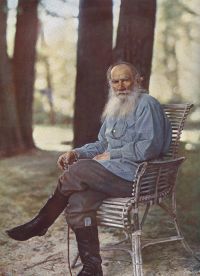
Portrait of Leo Tolstoy Leo Tolstoy,  The Fruits of Culture (1891)

“ A savant, about fifty years old, with quiet, deferential, and self-possessed manners in society, and a similar slow singing speech. He likes to hear himself talk. He maintains a contemptuous reserve towards those who do not agree with him. ”
Source: Wikisource

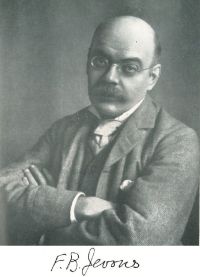
Portrait of F. B. Jevons F. B. Jevons,  Evolution

“ Even the savage made what little progress he did make in this direction by acting fitfully and unconsciously, or at the most semi-consciously, on the principle of the uniformity of Nature: the savage was faithful in little things to the scientific ideal—which was revealed to him but dimly—the savant is fully conscious of the principle on which he acts, walks in its light, and strives by example and precept to save his fellow-men from relapsing into the darkness of error and superstition. ”
Source: Gutenberg

Get perspective with Kwize: daily news enlightened by great literature