Article III of the United States Constitution

Definition and stakes

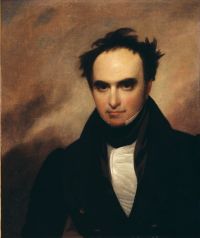
Portrait of Edward Samuel Corwin Edward Samuel Corwin John Marshall and the Constitution… (1918)

No part of the Constitution has realized the hopes of its framers more brilliantly than has Article III, where the judicial power of the United States is defined and organized, and no part has shown itself to be more adaptable to the developing needs of a growing nation. Nor is the reason obscure: no part came from the hands of the framers in more fragmentary shape or left more to the discretion of Congress and the Court.
Source: Gutenberg

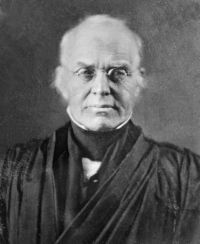
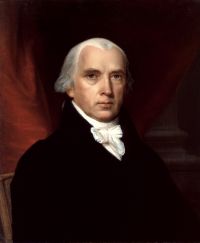
The Constitution of the United States of America…

They are incapable of receiving it. They are legislative courts, created in virtue of the general right of sovereignty which exists in the government, or in virtue of that clause which enables Congress to make all needful rules and regulations, respecting the territory belonging to the United States. The jurisdiction with which they are invested, is not a part of that judicial power which is defined in the 3rd article of the Constitution, but is conferred by Congress, in the execution of those general powers which that body possesses over the territories of the United States.
Source: Gutenberg

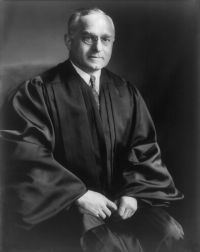
Portrait of Felix Frankfurter Felix Frankfurter National Mutual Insurance Company of District of Columbia v…

When the sole source of the right to be enforced is the law of a State, the right to resort to a federal court is restricted to 'citizens of different States.' The right to enforce such State-created obligations derives ts sole strength from Article III. No other provision of the Constitution lends support. But for Article III, the judicial enforcement of rights which only a State, not the United States, creates would be confined to State courts. It is Article III and nothing outside it that authorizes Congress to treat federal courts as 'only another court of the State,' Guaranty Trust Co.
Source: Wikisource

Get perspective with Kwize: daily news enlightened by great literature